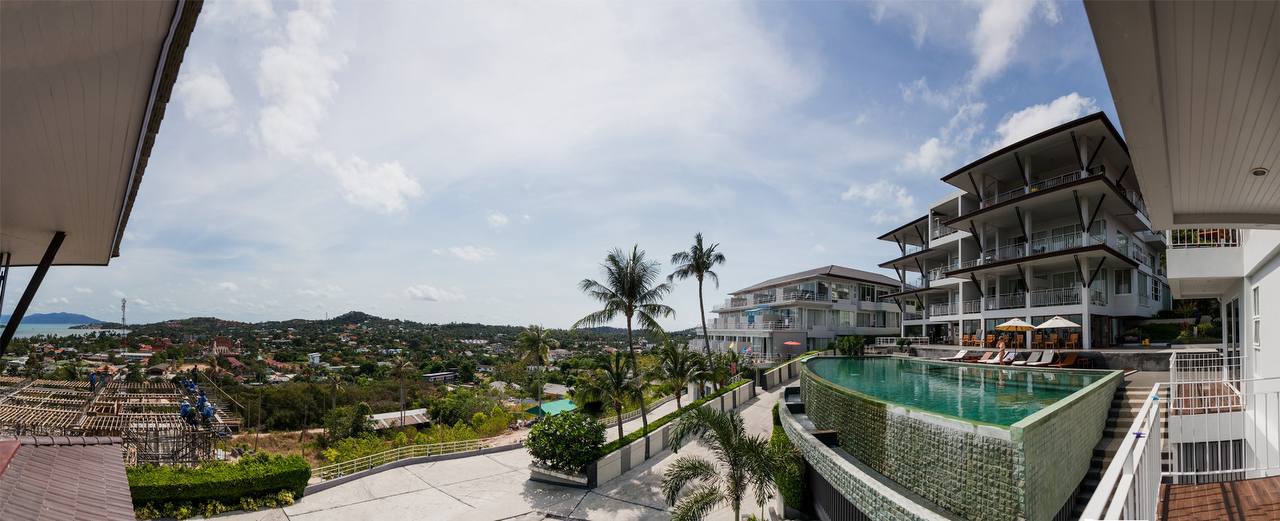



Koh Samui is often pictured as a tropical island of white-sand beaches, turquoise water and swaying palm trees. While its coastline is certainly one of its defining features, the island offers far more than a classic beach holiday. Within a relatively compact area, visitors can discover Buddhist temples, jungle-covered hills, waterfalls, traditional communities, local markets, viewpoints and a wide range of restaurants and activities.
A day in Koh Samui can take you from a quiet temple in the morning to a jungle waterfall in the afternoon and a beachside sunset in the evening. Another day might be spent kayaking between limestone islands, exploring a local market or simply enjoying the slower pace of life in a coastal village.
This variety is one of the defining characteristics of Koh Samui. The island combines Thai culture, tropical nature, outdoor activities, beaches and modern conveniences, giving different travelers very different ways to experience the same destination.
Discover Koh Samui’s Spiritual Side
For many visitors, discovering Koh Samui begins with its beaches, but the island’s cultural landmarks provide another perspective. Buddhist temples are part of everyday life here, rather than simply being attractions created for tourists. Visitors can explore these places to appreciate Thai religious traditions, architecture and the quieter side of island life.
The Big Buddha
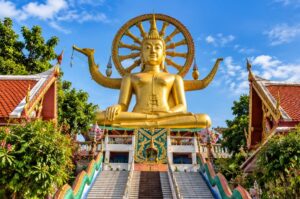
The Big Buddha, also known as Phra Yai, is one of Koh Samui’s most recognizable landmarks. The large golden Buddha image sits on a small elevated area connected to the island and has become an important cultural and religious site.
The temple complex offers more than an opportunity to see the statue itself. Visitors can walk around the surrounding area, observe religious details, browse small local stalls and take in views of the nearby coastline. The atmosphere can be particularly peaceful outside the busiest periods of the day.
As with other Buddhist temples in Thailand, visitors should treat the site as a place of worship. Modest clothing, respectful behavior and following local instructions are important, particularly when entering temple buildings or religious areas.
Wat Plai Laem
Another distinctive cultural attraction is Wat Plai Laem. The colorful temple complex is known for its large Guanyin statue, elaborate details and a combination of Thai and Chinese-influenced Buddhist artistic elements.
The temple’s visual character makes it especially interesting for visitors who enjoy architecture and photography, but its significance goes beyond appearance. It remains a functioning religious site where local people come to pray and make offerings.
Visiting places such as Wat Plai Laem and the Big Buddha gives travelers a chance to see a side of Koh Samui that cannot be experienced from a beach resort alone.
Beaches for Every Kind of Traveler
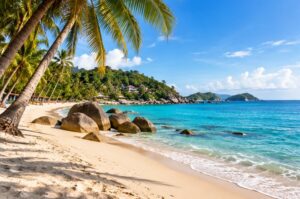 Koh Samui’s beaches are not all alike. Some are surrounded by restaurants, resorts and entertainment, while others offer a quieter atmosphere with fewer distractions. Choosing where to spend time by the sea often depends less on finding a single “best” beach and more on deciding what kind of experience you want.
Chaweng Beach
Chaweng is one of the island’s most developed and lively beach areas. Its long stretch of sand is surrounded by hotels, restaurants, cafés, shops and entertainment venues, making it convenient for travelers who want plenty of options within easy reach.
During the day, the area attracts visitors looking for swimming, beach activities and time by the sea. In the evening, Chaweng becomes one of the livelier parts of Koh Samui, with restaurants and nightlife adding another dimension to the area.
Lamai Beach
Lamai offers a different balance. It has a well-developed tourist infrastructure, but many visitors find its atmosphere more relaxed than Chaweng. The beach is surrounded by restaurants, accommodation and activities, while the wider Lamai area provides easy access to some of the island’s natural and cultural attractions.
For travelers who want a combination of beach time, restaurants and convenience without staying in the busiest part of the island, Lamai can be an interesting option.
Maenam Beach
Maenam is associated with a quieter and more laid-back atmosphere. Its long beach and open views toward the neighboring islands create a different feeling from the busier eastern coast.
The area can appeal to travelers who prefer slower mornings, peaceful walks and a more relaxed relationship with the sea. It is also an example of how different parts of Koh Samui can feel despite being located on the same island.
Choeng Mon Beach
Choeng Mon is known for its relatively calm coastal setting and smaller-scale atmosphere. The beach can be suitable for travelers looking for a more peaceful environment, including families and visitors who prefer spending time near the water without the intensity of a major entertainment district.
Together, these beaches demonstrate one of the main advantages of a Koh Samui holiday: travelers can choose an environment that matches their preferred pace rather than adapting to a single type of destination.
Waterfalls, Jungles and the Wild Side of the Island
Leave the coastline behind and Koh Samui quickly begins to look different. The interior of the island is shaped by hills, tropical vegetation, coconut plantations and winding roads leading through greener, less developed areas.
Na Muang Waterfalls
Na Muang Waterfalls are among the island’s better-known natural attractions. Surrounded by tropical vegetation, the waterfalls offer a contrast to the sandy beaches and resort areas along the coast.
Visiting a waterfall can also involve walking on uneven or wet surfaces, so appropriate footwear and sensible precautions are important. Conditions can vary depending on the season, and visitors should follow local guidance rather than assuming that every trail or swimming area is suitable at all times.
Koh Samui’s Tropical Landscape
The island’s natural character extends beyond individual attractions. Coconut plantations, jungle-covered hills, inland villages and elevated viewpoints create a landscape that feels very different from the developed beachfront areas.
Exploring these inland areas can be particularly rewarding for visitors who want to understand Koh Samui as a place where people live and work, rather than simply as a collection of resorts. The roads through the interior reveal another side of the island, with greenery and traditional communities appearing between more developed areas.
Iconic Natural Landmarks
Hin Ta and Hin Yai Rocks
On the coast near Lamai, the Hin Ta and Hin Yai Rocks are among Koh Samui’s most recognizable natural landmarks. The granite formations have distinctive shapes that have attracted visitors for decades.
Local folklore tells a story explaining the unusual forms of the rocks. Like many traditional legends, the story belongs to the cultural folklore of the area and should be understood as such rather than as a documented historical explanation.
The surrounding coastline also provides an opportunity to combine a short sightseeing stop with views of the sea and nearby areas of southern Koh Samui.
Fisherman’s Village: Where Tradition Meets Modern Samui
Fisherman’s Village in Bophut provides another perspective on the island. The area is known for its old-style shophouses, many of which have been adapted into restaurants, cafés, boutiques and other modern businesses.
This combination of traditional architecture and contemporary tourism is part of what makes Bophut distinctive. Visitors can walk along the waterfront, stop for a meal, browse local shops or simply spend an evening taking in the atmosphere.
The area also illustrates how Koh Samui has changed over time. Tourism has brought new restaurants, accommodation and businesses to the island, but some parts of the old coastal character remain visible.
Walking through Fisherman’s Village is therefore not only about shopping or dining. It is a chance to see how elements of traditional island life have adapted to modern visitors.
Beyond the Island: Marine Adventures
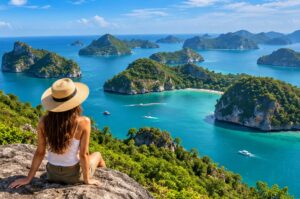 The waters surrounding Koh Samui open up another dimension of the destination. Boat excursions, snorkeling, kayaking and island hopping allow visitors to explore landscapes that cannot be seen from the main island.
Ang Thong Marine National Park
One of the most popular excursions from Koh Samui is Ang Thong Marine National Park. The protected archipelago consists of numerous islands characterized by limestone formations, forested slopes, beaches and marine environments.
Kayaking, snorkeling and boat excursions are among the ways visitors can explore the area. Viewpoints on some islands provide a completely different perspective, with clusters of islands stretching across the Gulf of Thailand.
It is important to remember that Ang Thong is a separate protected area rather than part of Koh Samui itself. Conditions, access and activities can vary, so travelers should check current park information and tour arrangements before planning a trip.
Snorkeling and Island Hopping
Koh Samui’s location also makes it a convenient starting point for exploring other islands in the Gulf of Thailand. Trips can include destinations such as Koh Phangan and Koh Tao, as well as smaller islands and snorkeling locations.
For visitors interested in marine life, these excursions can add an adventurous element to a beach holiday. However, sea conditions and visibility change throughout the year, and marine-life sightings should never be treated as guaranteed.
The experience is often as much about being on the water as it is about reaching a particular destination: leaving the coastline behind and seeing the surrounding islands from a boat provides an entirely different view of Koh Samui’s geography.
Taste the Local Side of Koh Samui
Food is another important part of experiencing Koh Samui. The island offers everything from simple street food and local markets to sophisticated restaurants and beachfront dining.
Travelers can try Southern Thai dishes, fresh seafood, coconut-based recipes, spicy curries, tropical fruit and snacks from local vendors. Coconut is particularly connected with the island’s agricultural landscape, while seafood reflects Koh Samui’s position in the Gulf of Thailand.
Local markets are a useful way to experience this side of the island. Rather than simply looking for familiar international dishes, visitors can use markets and smaller local restaurants as an opportunity to discover flavors and ingredients that are part of everyday Thai cuisine.
At the same time, Koh Samui’s restaurant scene has become highly international. Visitors can find everything from Thai street food to European, Mediterranean and other international cuisines, making the island convenient for longer stays as well as short holidays.
Koh Samui at Sunset
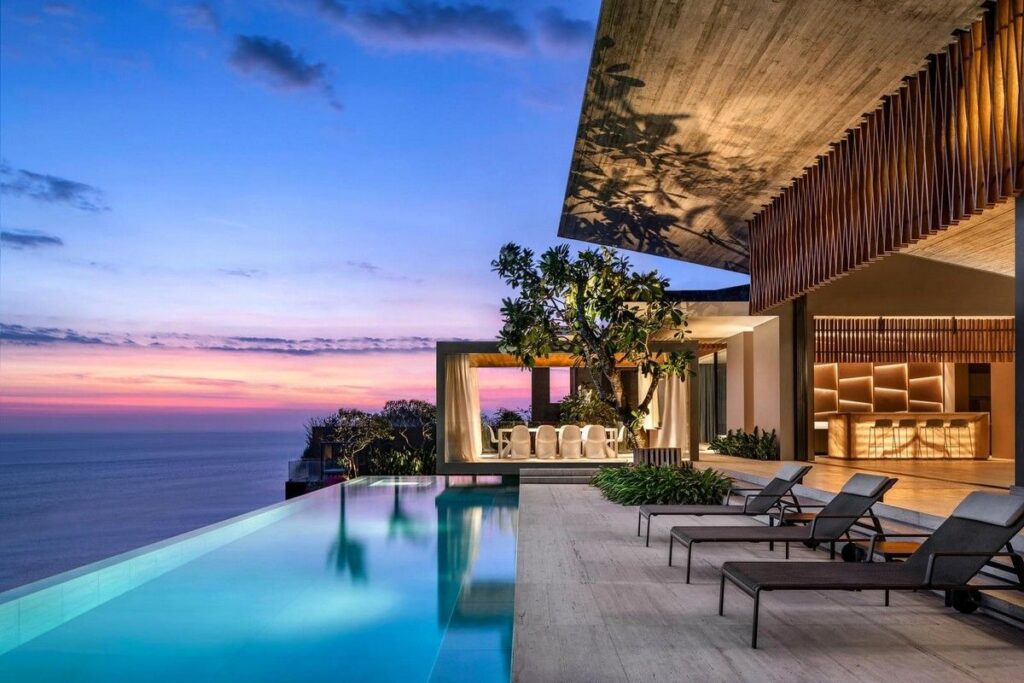
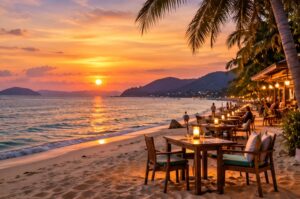 Sunset is one of the simplest ways to appreciate the island’s coastal landscape. Depending on where you are staying, the experience can range from sitting directly on the sand to enjoying dinner at a beachfront restaurant or watching the changing light from an elevated viewpoint.
Quiet coastal areas can offer a more peaceful experience, while developed beaches provide restaurants and cafés where visitors can stay after the sun goes down.
There is no single way to experience a Koh Samui sunset. For some travelers, it may be a quiet moment on an empty stretch of coastline. For others, it may be part of an evening spent at a restaurant with friends or family.
Different Parts of Koh Samui, Different Experiences
One of the most useful things to understand about Koh Samui is that different areas have noticeably different atmospheres. The choice of location can influence how you experience the island during both a short holiday and a longer stay.
| Area | Atmosphere | Suitable For |
|---|---|---|
| Chaweng | Lively and developed | Nightlife, entertainment and convenience |
| Lamai | Relaxed but well connected | Beaches, restaurants and longer stays |
| Bophut | Stylish and atmospheric | Dining, Fisherman’s Village and couples |
| Maenam | Quiet and laid-back | Relaxation, families and longer stays |
| Choeng Mon | Peaceful and coastal | Families and quieter holidays |
| Plai Laem | Residential and scenic | Beaches, temples and villas |
| Lipa Noi | Calm and less developed | Privacy, sunsets and relaxation |
These differences are one reason why it is useful to explore more than one part of the island. A visitor staying in Chaweng may experience a very different version of Koh Samui from someone staying in Maenam or Lipa Noi.
Why Koh Samui Appeals Beyond a Short Holiday
The same diversity that attracts visitors can also make Koh Samui appealing to people considering a longer stay. The island offers different environments within a relatively manageable area, allowing residents and long-term visitors to choose the surroundings that fit their lifestyle.
Someone who enjoys lively evenings and easy access to restaurants may prefer areas around Chaweng or Bophut. A person looking for a quieter setting may be more interested in Maenam, Lipa Noi or parts of Plai Laem.
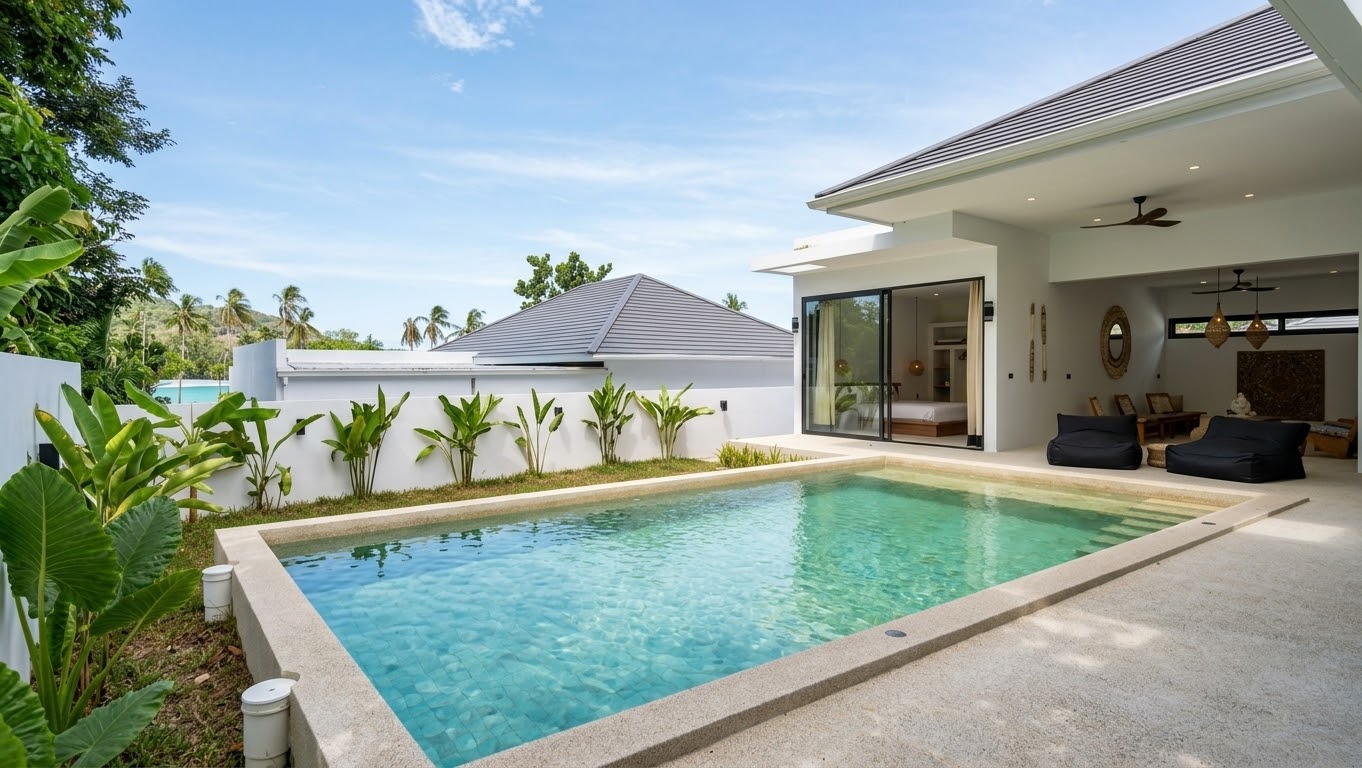
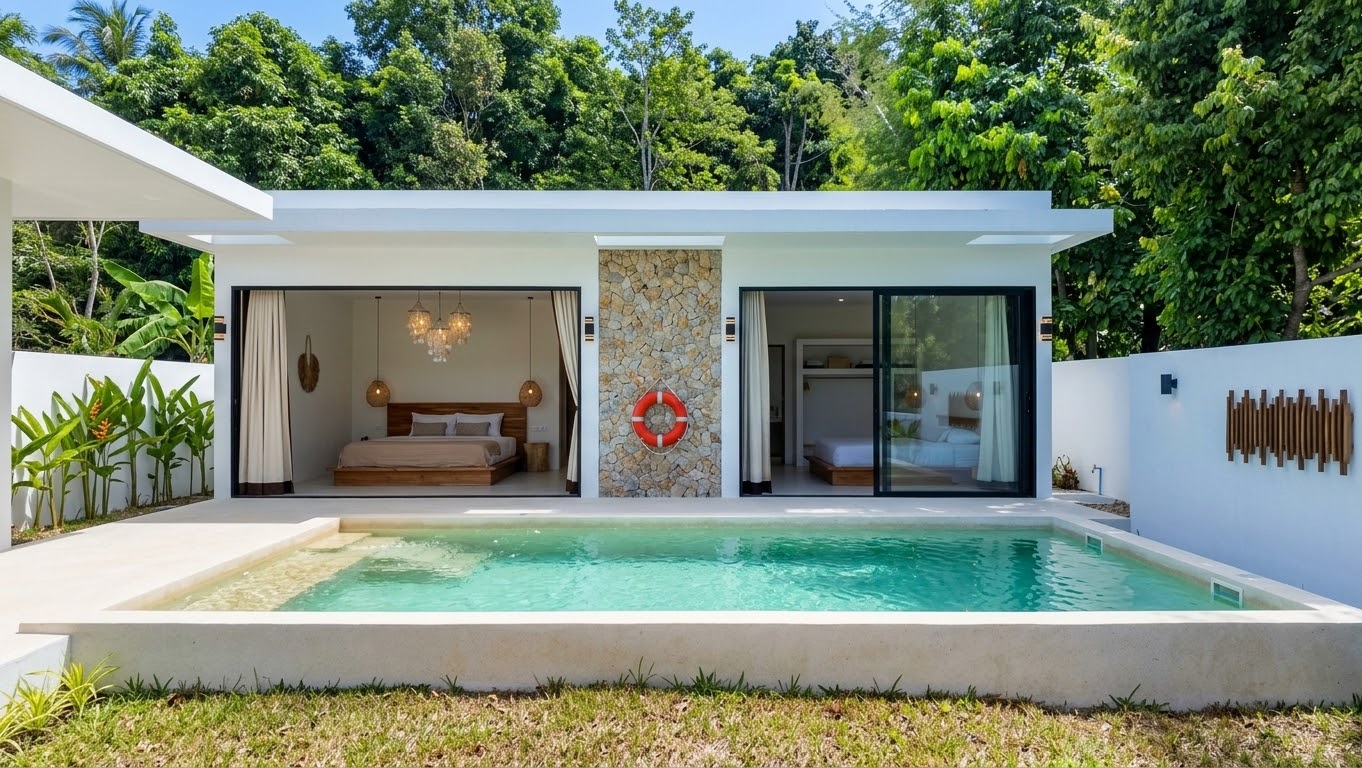
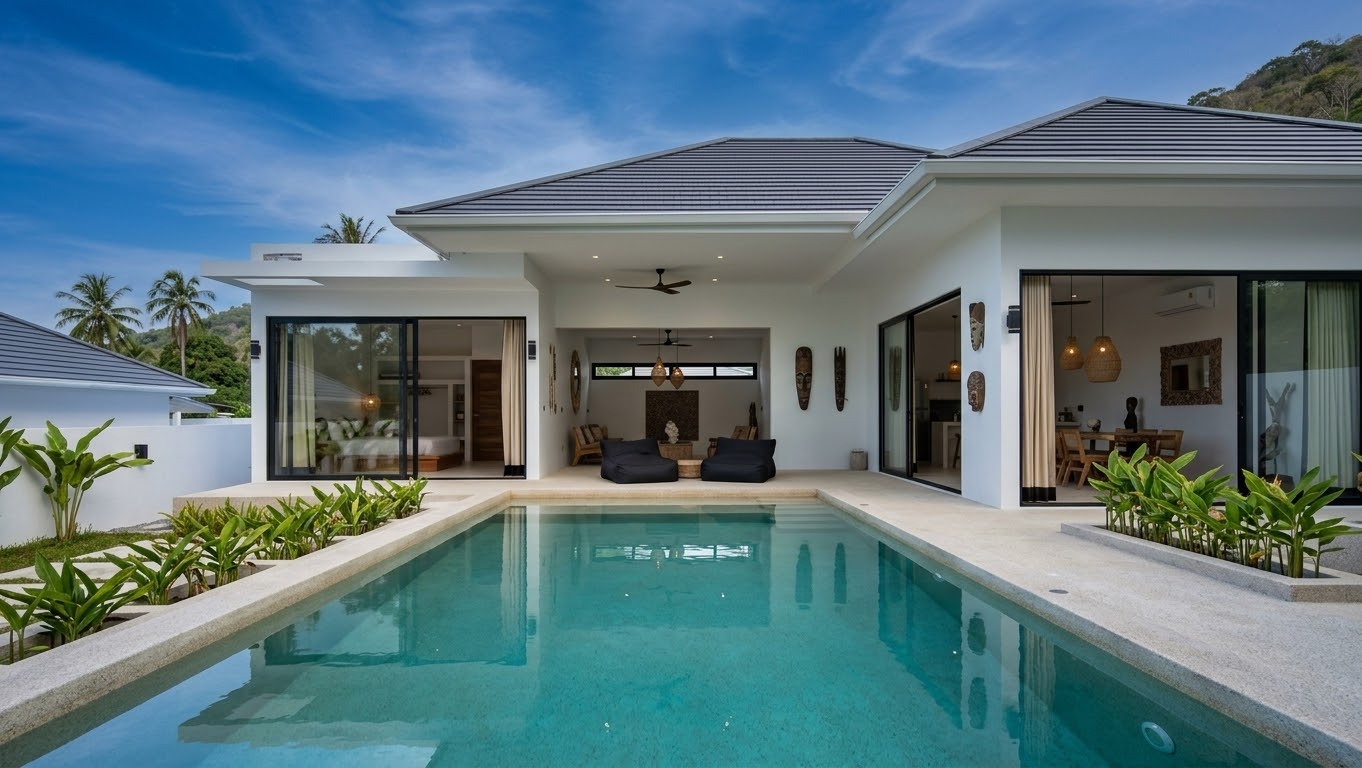
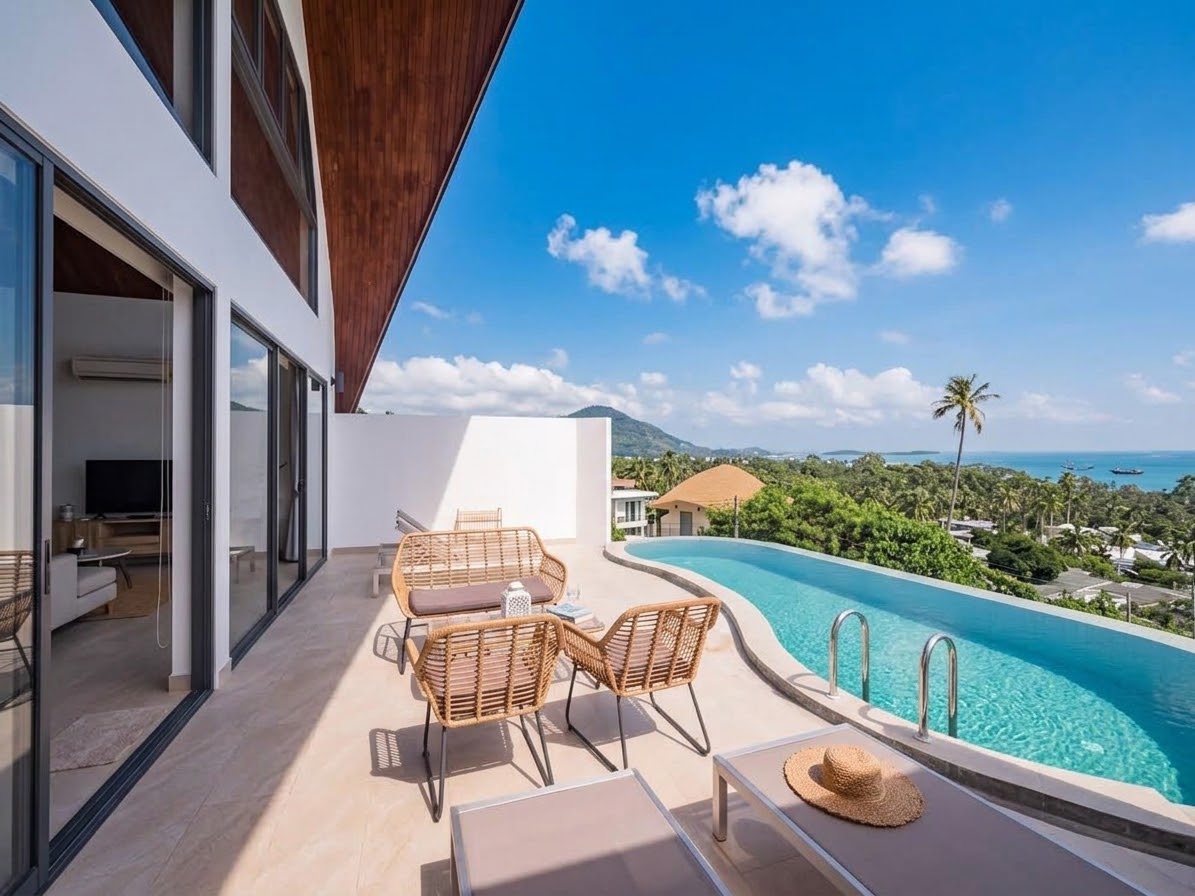
For families, access to beaches, restaurants and everyday services can be important. For others, proximity to nature, privacy or views may be higher priorities. Those considering property on Koh Samui can therefore look beyond the villa or apartment itself and consider the character of the surrounding area.
This is where the island’s diversity becomes particularly relevant. Beachfront living, peaceful residential areas, access to entertainment, tropical landscapes and a slower pace of life can all be found in different parts of Koh Samui.
How to Experience Koh Samui’s Diverse Wonders
There is no single itinerary that works for everyone, but a three-day exploration can provide a useful introduction to the island’s different sides.
Day 1 — Culture & Coast
- Visit the Big Buddha.
- Explore Wat Plai Laem.
- Spend time around Choeng Mon.
- Finish the day with a sunset by the sea.
This combination introduces visitors to Koh Samui’s Buddhist heritage before moving toward the coastline.
Day 2 — Nature & Local Life
- Explore Na Muang Waterfalls.
- Drive through parts of the island’s interior.
- Spend time around Lamai.
- Visit Fisherman’s Village in Bophut.
The second day provides a contrast between the island’s tropical interior and its modern coastal communities.
Day 3 — Marine Adventure
- Take an excursion to Ang Thong Marine National Park or choose a snorkeling and island-hopping trip.
- Return to Koh Samui in the afternoon or evening.
- End the trip with dinner near the coast.
This itinerary is only an example. Travelers with more time can slow down the schedule and spend additional days exploring individual beaches, villages and natural attractions.
Final Thoughts
Koh Samui’s appeal comes from its variety. The island is not simply a place to spend a few days on the beach. It is a destination where temples and local traditions exist alongside modern restaurants and resorts, while jungle-covered hills and waterfalls are only a short journey from the coast.
A visitor can experience Buddhist temples in the morning, explore tropical landscapes during the afternoon, eat local food in the evening and finish the day watching the sun disappear over the Gulf of Thailand.
There are lively areas and quiet corners, developed beaches and more peaceful stretches of coastline, outdoor adventures and places designed simply for relaxation. Nearby islands and marine parks add another layer to the experience.
For some people, Koh Samui will be a short holiday destination. For others, its combination of nature, culture, infrastructure and different coastal communities may inspire a longer stay or even a move to the island.
Ultimately, Koh Samui is not one experience — it is a collection of different experiences on one island. From temples and local culture to jungle, waterfalls, beaches, marine adventures, food and modern island life, its diversity is what makes exploring Koh Samui worthwhile.